Blue Swordfish Embroidery Review
A First Glance at Blue Swordfish
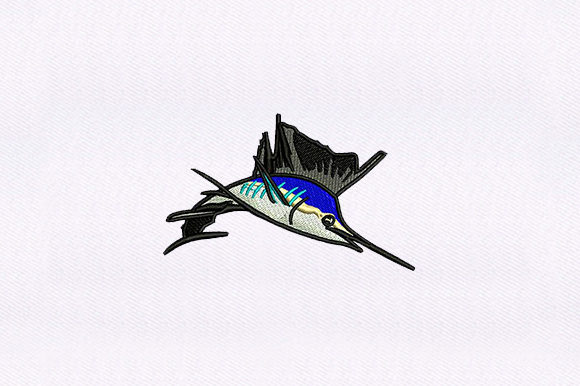
When I first laid eyes on the Blue Swordfish embroidery design, I was struck by its clean lines and dynamic form. It’s not just a fish—it feels like a statement. The shape is bold yet balanced, with subtle detailing that gives it character without overwhelming the eye. This kind of design naturally leans toward projects where you want to make an impression, like custom apparel or boutique branding.
The theme feels aquatic but not too literal. There's a sense of movement in the way the fins are shaped, and the tail has a fluidity that makes it feel almost alive. It's not overly complex, which means it can work well on a variety of fabric types and sizes. However, the level of detail does require some attention when stitching, especially if you're aiming for a professional finish.
Real-Life Use: A Custom Tote Bag Scenario
Let’s imagine using Blue Swordfish on a custom embroidered tote bag. As a designer, I’d consider how the placement affects the overall look. If stitched on the front panel, it could be the focal point—perfect for a handmade shop product or an Etsy listing. But if placed near the bottom, it might get lost against the fabric texture.
I would test this design on a scrap piece of canvas first. Canvas is a common choice for tote bags, and it’s relatively forgiving. However, the stitch density needs to be reviewed. Too many stitches on a thick fabric could cause puckering, while too few might make the image look flat. Using a proper stabilizer is key here, especially if the fabric is woven or textured.
Another consideration is thread color contrast. While the design itself is detailed, the colors need to pop against the fabric background. For a dark tote, white or light blue threads would stand out better. On a lighter fabric, darker shades might add more depth. Testing on both light and dark backgrounds helps ensure versatility for different products.
Where Blue Swordfish Shines
Blue Swordfish is ideal for a range of applications. In custom apparel, it works beautifully on sweatshirts, t-shirts, and even caps. Its clean design doesn’t distract from the garment but adds a touch of personality. It's also great for embroidered patches, where the detail can be appreciated up close.
In handmade products, such as aprons or pillow covers, the design adds a unique flair. It’s not too busy, so it complements rather than competes with other elements on the item. For holiday gifts or nursery decor, it brings a playful yet elegant vibe that appeals to a wide audience.
As a craft business owner, I'd see this design as a versatile asset for small shop products. Whether it's printed on a printable mockup for an online listing or used as a design asset in a digital product, it has the potential to attract buyers looking for something fresh and original.
Where Caution Is Needed
While Blue Swordfish is impressive, there are scenarios where it may not perform as well. On small hoop sizes, the details might get lost or distorted. The design requires enough space to show its full form, so checking the recommended hoop size before starting is essential.
On textured fabrics or thin materials, the stitch density could affect the final appearance. If the fabric stretches, the design might warp slightly, especially around the edges. Using a stabilizer and testing on a sample piece can help avoid these issues.
Also, be mindful of curved surfaces like caps or hats. The curvature can change how the design looks once stitched, so adjusting the placement or considering a simpler version might be necessary.
Design Notes for Embroidery Professionals
If you’re planning to use Blue Swordfish in a commercial embroidery project or for personalized gifts, take time to review the file thoroughly. Check for any small details that might be hard to see in a digital embroidery file. Testing on scrap fabric will give you a real-world preview of how it behaves with different thread colors and fabric textures.
For Etsy sellers or craft fair vendors, creating a printable mockup of the finished product can help showcase the design effectively. Make sure the stitch density is consistent across the entire piece, and confirm that the design works well on both light and dark backgrounds.
Lastly, always check the licensing terms before selling any finished product or digital assets featuring Blue Swordfish. Understanding what’s allowed ensures you stay within legal boundaries while promoting your creative work confidently.
Blue Swordfish is a solid addition to any embroidery collection. With thoughtful application, it can elevate your embroidery project and bring a unique touch to your handmade product. Just remember to test, adjust, and tailor it to fit your specific needs and materials.